Ship Trail Caps Safely with bestkako
Ship Trail Caps Safely with bestkako
Ship Trail Caps Safely with bestkako
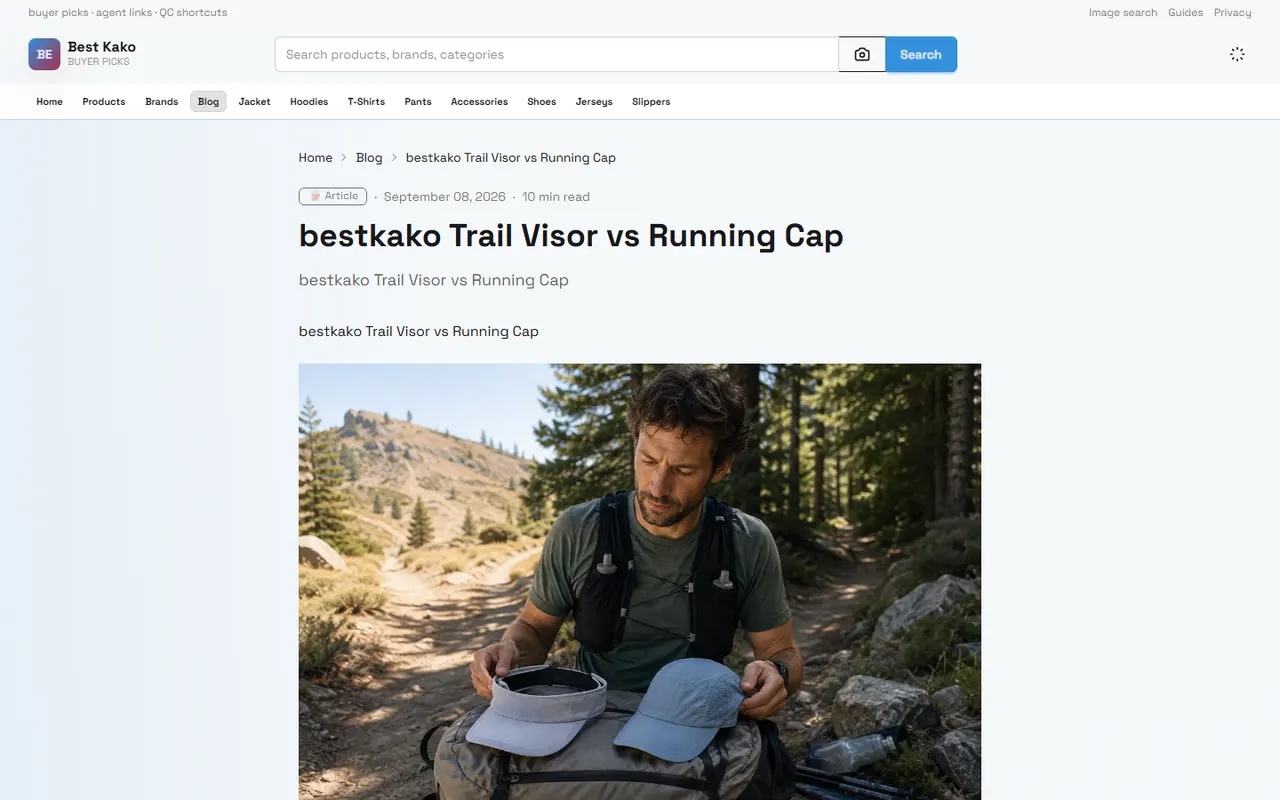
Trail running caps look lightweight, but the brim, crown, and adjustment structure can all become deformed during shipping. The real issue to solve is not "which route is cheapest," but how to make a verifiable choice between protecting the cap's shape, controlling package volume, and meeting destination route requirements.
This article is for buyers preparing to purchase or ship trail running caps on best-kako.com. After reading, you should be able to do three things: confirm which packaging method suits the cap, record the weight and dimensions needed for shipping, and submit a more appropriate shipping choice based on protection needs.
This article does not apply to situations involving evading declaration, understating value, splitting orders to avoid taxes, or bypassing import inspections. Destination country taxes, import restrictions, and customs clearance documents should be based on local official requirements and carrier rules. The information in this article was verified as of September 15, 2026; currently no specific product page, warehouse weighing records, or destination country is provided, so prices, inventory, materials, sellers, shipping costs, and transit times will not be written as confirmed facts.
First assess the shipping risks of visor or full-coverage running caps
Visor caps typically only have a brim and a circular headband structure, with less space on top, so the main packaging concern is preventing the brim from being bent. Full-coverage running caps cover a larger area, and the cap body may need to maintain some support, so it cannot simply be stuffed into an overly small soft bag.
When assessing shipping risks, first look at the following areas:
Whether the brim has a stiff structure and is prone to creasing or warping.
Whether the crown has breathable mesh, panels, or thin fabric.
Whether the rear adjustment buckle, Velcro, or elastic structure could be squeezed by heavy items.
Whether the cap needs to maintain its full shape or can be slightly flattened and then recover.
Whether it will be packed together with shoe boxes, hard-shell gear, or other sharp items.
If the brim is the buyer's main concern, prioritize packaging with support. The cap can be stuffed with clean filling material to maintain the crown shape, and flat protective layers placed above and below the brim to prevent other items from pressing directly on the edges. Do not place the cap at the very bottom of the package with heavy items, and do not let the adjustment structure get caught between hard objects. 🧢
Evidence scope of bestkako product information and logistics pages
This writing did not include verifiable fields from a specific bestkako product page, so the actual brim material, cap body fabric, color inventory, product weight, or packaging dimensions of this trail running cap cannot be confirmed. Buyers should save visible information from the product page and order before purchasing, and rely on physical verification after the item enters the warehouse.
It is recommended to record at least the following:
Product name, color, size, or adjustable range.
Material descriptions and seller information shown on the product page.
Product quantity, and whether there are different colors or versions of the same style.
Structure visible in product page images, such as brim shape, mesh areas, and adjustment position.
Actual weight, outer packaging dimensions, and inspection photos after warehouse intake.
Route restrictions, billing methods, tracking capabilities, and estimated times actually listed on the logistics page.
When product page information differs from the warehouse item, rely on verification records and retain a description of the difference. Do not assume that all styles have the same stiffness, water resistance, or packaging requirements just because the title contains "trail running cap." 🔎
Impact of brim, crown, and adjustment structure on packaging
Packaging goals can be divided into three layers: keep the brim flat, prevent the crown from being crushed, and prevent the adjustment structure from scratching or snagging other items.
A safer basic approach is to protect each item individually before deciding whether to combine. Individual protection does not necessarily mean using a hard box, but rather ensuring the brim has enough flat support and the crown is filled with materials that won't damage the fabric. If using a hard box, confirm that the box size won't cause the cap to bounce around inside; if using soft packaging, also confirm there are no heavy items that will directly apply pressure from outside.
For multiple caps, avoid completely overlapping the brims and forcing them together. Place thin, flat separators between the brims, and arrange the adjustment structures so they don't catch on each other. If different caps have significantly different brim shapes, stiffness, or sizes, do not assume they can all be stacked the same way.
Packaging requirements should be written as actionable descriptions, such as "Keep the brim flat, support the crown with colorless filling, and avoid heavy items pressing directly on the brim edge." This is easier for the warehouse to execute accurately than "package it nicely," and it facilitates later verification. 📦
Cost trade-offs of small packages vs. combined shipping
The weight of the trail running cap itself may not be the main variable; the packaged volume, minimum chargeable weight, first weight and additional weight rules, and whether it is combined with other items often affect the final cost more. Since your destination country, package data, and route quotes are not available, no specific savings amount can be given.
Option | Potential advantages | Risks to bear | Better suited for |
|---|---|---|---|
Ship separately | Easier to manage brim protection and package tracking | May pay duplicate fixed fees or first weight | Only the cap, or cap shape protection is priority |
Combine with light, soft items | May reduce duplicate first weight or handling costs | Other items may squeeze the brim, package volume may increase | Other items are light, soft, no sharp corners, and can be isolated in packaging |
Combine with heavy items | May reduce fixed handling steps for multiple packages | Increases risk of crushing, volumetric weight, and single-loss risk | Sufficient support structure and warehouse confirms safe combination |
Split into multiple packages | Reduces single loss or resolves route restrictions | Increases fixed fees, packaging costs, and tracking management costs | Higher-value items, route restrictions, or incompatible packaging |
When choosing, compare at least two sets of actual data: the chargeable weight and dimensions of individual packaging, and the chargeable weight and dimensions after combination. If combining only saves a small amount of shipping cost but significantly increases the risk of brim compression or single loss, the savings may not be worth it.
The judgment at the end of the article should be based on this set of calculations: how much is saved, what risk is increased, what kind of package it suits, and what conditions it doesn't suit. Without weighing and quotes, do not use the conclusion that "combining is always more cost-effective." 💰
How to record weight, dimensions, and packaging requirements
Before submitting a shipping choice, it is recommended to create a brief record:
Product quantity: List separately the quantities of visor caps, full-coverage running caps, and other items.
Packaging method: Soft bag, supported packaging, or hard box, based on what the warehouse can actually provide.
Package gross weight: Record the warehouse weighing value and time.
Outer packaging dimensions: Record length, width, and height, and note the units.
Chargeable weight: Distinguish between actual weight and volumetric weight; don't look at just one.
Protection requirements: Specify the priority order of protecting the brim, crown, and adjustment structure.
Declaration information: Fill in product category, quantity, and value truthfully, and prepare documents according to destination country regulations.
If the warehouse provides inspection photos, focus on checking whether the brim is flat, whether the crown shows obvious compression marks, whether the adjustment structure is intact, and whether the color and quantity match the order. Photos can only prove the visible state at the time of shooting, not replace inspection upon arrival.
Verification methods for shipping routes, tracking nodes, and estimated times
Shipping routes cannot be judged by name alone. Before submitting a choice, verify whether the route accepts apparel items, covers your destination country and delivery address, provides complete tracking, and has any restrictions on transshipment, delivery, or customs clearance.
Estimated times should also be understood in different stages: warehouse processing, dispatch, main line transport, destination customs clearance, and final delivery. The estimated time on the page is usually a conditional estimate and should not be understood as a guaranteed delivery date. Actual time may be extended due to holidays, weather, flight changes, customs documentation, or address issues at the final delivery end.
When tracking, record in this order:
Whether the warehouse has completed packaging and dispatch.
Whether the carrier has generated a valid tracking number.
Whether the package has left the origin.
Whether it has entered the destination country or region.
Whether there are customs clearance, additional documentation, or tax notifications.
Whether it has been handed to the final carrier and entered delivery.
Whether delivery confirmation or delivery exception is shown.
If tracking has not updated for a long time, first confirm the last valid node, the route's customer service channel, and whether the recipient needs to provide additional information. Do not conclude the package is lost just because the page hasn't changed, and do not submit multiple duplicate after-sales requests without verification. 🚚
Check cap shape, color, and quantity before shipping
Before confirming shipping, use the order record to compare the warehouse photos and product information item by item. Focus on:
Whether the cap shape is correct; visor caps and full-coverage running caps must not be confused.
Whether the color, size, or adjustable version is correct.
Whether the quantity matches the order.
Whether the brim has obvious creases, cracks, or deformation.
Whether the crown has stains, holes, loose threads, or obvious compression marks.
Whether the adjustment buckle, Velcro, or other structures are intact.
Whether packaging requirements have been implemented, not just written in the notes.
When problems are found, first save the order number, product name, photos, and problem description, then submit for processing according to the platform's actual after-sales window. Do not publicly share complete orders, passports, payment card information, or full shipping labels with personal addresses and phone numbers. If you need to show screenshots, cover such personal information.
Submit final shipping choice based on protection needs
You can make the final decision in this order:
First confirm the minimum protection requirements for the brim and crown.
Then obtain the weight and dimensions for individual and combined packaging.
Compare the route's billing method, tracking nodes, destination restrictions, and estimated time.
Calculate the actual amount saved by combining.
Assess the increased risks of crushing, delays, customs clearance, and single loss.
Write actionable packaging requirements in the order notes.
Save pre-shipment photos, weighing records, dimension records, and shipping choice screenshots.
If there is only one cap and brim protection is the top priority, individual packaging is usually easier to control risk, but whether it saves money still depends on actual quotes. If combining with other items does reduce costs, confirm that the other items are light, soft, and without sharp corners, and require the brim to have independent support.
Situations where combining is not recommended include: the package contains heavy hard objects, the brim already shows slight deformation, volumetric weight increases significantly after combining, the route has size restrictions on packages, or the package value and single-loss risk exceed acceptable limits. Also, do not omit warehouse photos, weighing, or truthful declaration just to shorten the process.
The core of the final choice is not "cheapest," but using verifiable weight, dimensions, protection requirements, and route conditions to get a shipping solution with acceptable risk.
Browse our latest products and find your next favorite item.